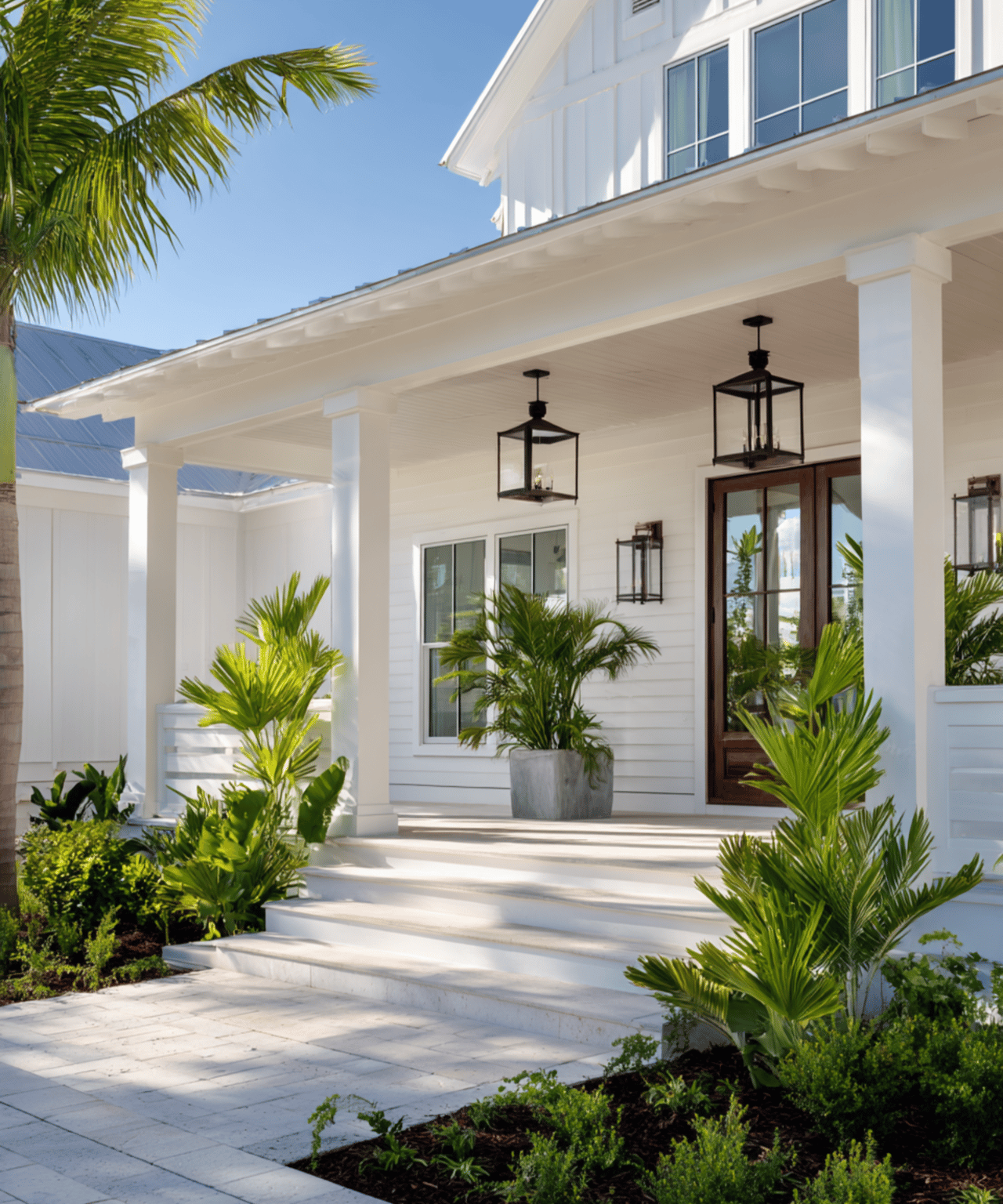
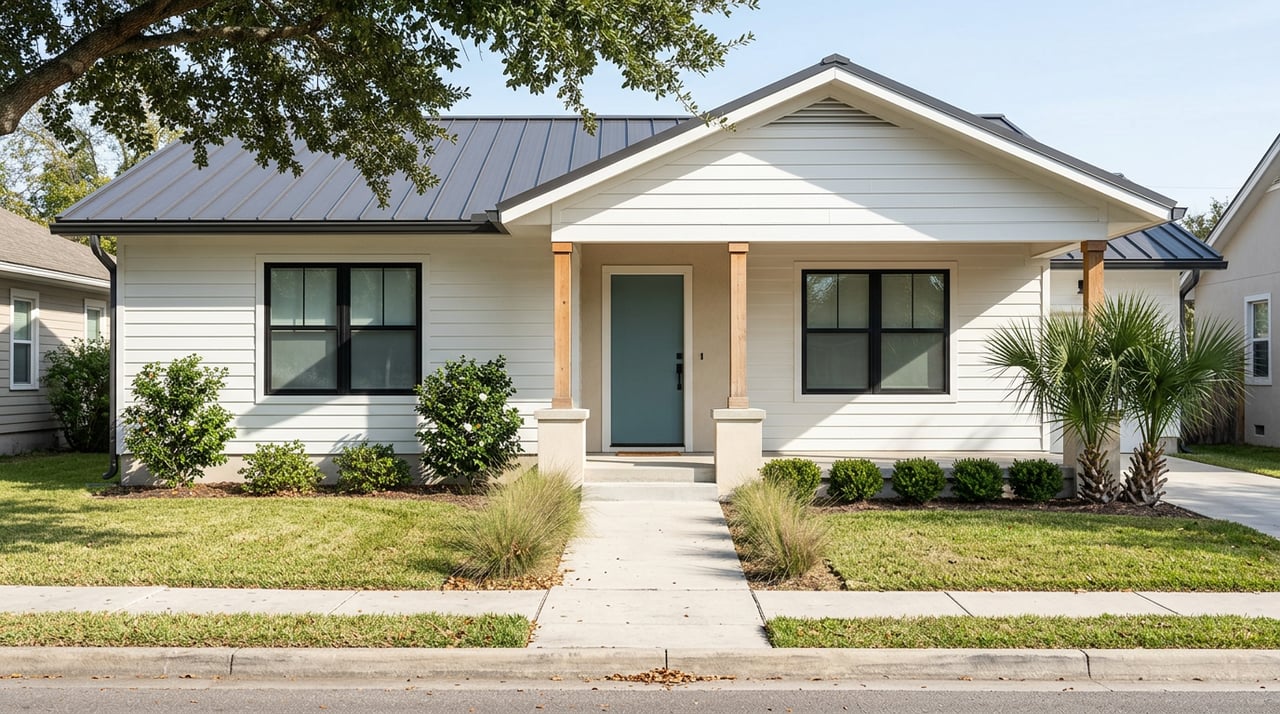
Are you torn between walkable downtown energy and the ease of a quieter suburban street? You’re not alone. Many Pensacola buyers weigh nightlife, commutes, home style, and budget before choosing a direction. In this guide, you’ll see how downtown and suburban Pensacola compare on lifestyle, housing, drive times, and key due diligence items so you can move forward with confidence. Let’s dive in.
What we mean by downtown vs. suburban
Downtown Pensacola centers on Palafox Street, Plaza Ferdinand VII, Seville Square, and the nearby Bayfront and Community Maritime Park. This compact area is the city’s cultural core with restaurants, galleries, museums, and events clustered within a walkable grid. You can get a feel for the scene by exploring the highlights around Palafox and Seville as outlined by Visit Pensacola’s downtown overview. Here’s a helpful walkthrough of the district’s anchors.
For this guide, “suburban Pensacola” covers established residential areas outside the Palafox and Seville core and historic districts. Common suburban options buyers mention include Ferry Pass, Brent, Warrington, Bellview, West Pensacola, and Cantonment, plus nearby bedroom communities like Pace or Gulf Breeze. These neighborhoods are more car-oriented, with newer subdivisions, larger lots, and shopping along key roads. For a broad snapshot of how locals group neighborhoods, review the Pensacola neighborhood list on Wikipedia.
A quick note on near-downtown areas: North Hill and East Hill are historic, tree-lined districts close to the core. They are primarily single-family, older homes with classic architectural styles, and they may be subject to preservation and architectural review rules if you plan to renovate.
Lifestyle comparison: walkability, culture, and daily life
Walkability and errands
If you want to walk to coffee, dinner, and events, downtown is your best bet. Blocks around Palafox and Seville are among the most walkable parts of the city, and many daily needs are within a short stroll. Most suburban neighborhoods require a car for errands, with grocery stores and big-box retail concentrated along main corridors.
Culture, markets, and weekend energy
Downtown stacks up a busy calendar of galleries, the Saenger Theatre, the Pensacola Museum of Art, Palafox Market, and waterfront gatherings at Community Maritime Park by the Blue Wahoos stadium. Signature events like the Seafood Festival and Fiesta of Five Flags draw locals and visitors to the core. If you thrive on art walks, markets, and live shows, this downtown lineup is hard to beat.
Beaches, parks, and the outdoors
Pensacola Beach and the Fort Pickens section of Gulf Islands National Seashore are prime day-trip spots for swimming, walking, and sunset views. From much of the city, the beach is a short drive that commonly ranges between 20 and 40 minutes, depending on where you start and traffic. You can also plan trips using National Park Service resources for Fort Pickens and Gulf Islands National Seashore.
Housing types and price context
What you’ll find downtown
Downtown offers a mix of living options. You’ll see condos and loft-style units concentrated near the bayfront and core blocks, plus some historic single-family homes on the edges of downtown. Price per square foot is often higher in the most central locations and in renovated historic homes or newer condo buildings.
Near-downtown character homes
If you want older architecture with a more residential feel, North Hill and East Hill offer Craftsman, Queen Anne, and Colonial Revival styles. Buyers considering updates should discuss any historic-district rules with their agent before drafting renovation plans, since preservation areas can trigger extra review for exterior changes.
What you’ll find in the suburbs
Suburban Escambia neighborhoods tend to feature single-family homes on larger lots, newer subdivisions with garages, and a more car-friendly street pattern. You’ll also find a wide range of ages and condition levels, which can influence maintenance, insurance, and energy efficiency.
Where prices sit today
Recent aggregator snapshots in early 2026 place the Escambia County and Pensacola area median single-family price roughly in the mid 200s to mid 300s, depending on the exact source and how the boundary is drawn. Downtown condos and centrally located historic homes often price higher on a per-square-foot basis, and block-to-block differences can be meaningful. Market tempo varies month to month, so it helps to watch days on market and active inventory for your short list. Always use neighborhood-level MLS comps for precision and ask your agent to run current data for the exact addresses you are considering.
Commute, transit, and major employers
Getting around
If you plan to drive, I‑110 connects downtown to I‑10, and US‑98 runs over the Pensacola Bay Bridge to Gulf Breeze and the beaches. Local bus service through ECAT covers fixed routes with a county transit plan guiding current and future service. If avoiding daily driving is a goal, review your options within the ECAT Connections 2026 Transit Development Plan.
Employers and healthcare access
The region’s job base includes NAS Pensacola, the University of West Florida, and large health systems. For medical care, major hospitals such as HCA Florida West Hospital and Ascension Sacred Heart serve residents across the metro. Proximity to these campuses can influence your preferred neighborhood if commute time and on-call schedules matter.
Practical due diligence: flood, taxes, insurance, schools, safety
Flood zones, hurricanes, and evacuation
Coastal storms and flood risk are realities here. Before you make an offer, check the property’s FEMA flood zone, ask for any elevation certificate, and obtain insurance quotes early. You can review parcel-level maps and resources at the FEMA Flood Map Service Center. If the address falls within a Special Flood Hazard Area, flood insurance can be required and will affect your monthly budget.
Property taxes and millage
Property taxes vary by parcel and are set by multiple taxing authorities, including city, county, schools, and special districts. Bills can change year to year as millage and assessed values are updated, and effective rates in some downtown or special districts may run higher. To understand true carrying costs, request the last two tax bills and review local context like recent coverage of how taxes fund services and change over time.
Insurance and Florida building code realities
Florida insurance rules and market conditions can influence premiums for homeowner, windstorm, and flood coverage. Older homes without wind-mitigation features or elevation certificates, and waterfront or on-island properties, may face higher costs or fewer carrier options. Ask the seller for current declarations, any wind-mitigation reports, and the elevation certificate if applicable. For high-level statutory context, see Florida’s insurance statutes compiled by the state legislature at flsenate.gov.
Schools and programs
Public schools are administered by the Escambia County School District, with performance and offerings varying by campus. Magnet and specialty programs can shape your search if you have specific academic interests. To confirm school assignments and review recent indicators, consult the Florida Department of Education’s district resources for Escambia County, including the FLDOE Escambia summary.
Safety and neighborhood patterns
Crime levels vary by neighborhood and even by block. Because downtown has more visitors and events, daytime and nighttime activity can differ. For any address you are considering, review current police incident maps and neighborhood-level data using tools that aggregate FBI and state reporting, such as CrimeExplorer’s Pensacola page, and ask your agent for recent local reports.
Short-term rental rules (if investment is a goal)
If you are considering a vacation rental or mixed-use plan, know that barrier-island properties like Pensacola Beach and Perdido Key have separate frameworks for licensing, tax registration, and association rules. Confirm what is allowed at the exact address, since HOA and condo bylaws can add additional limits or registration steps. For a helpful summary of island-specific requirements and tax considerations, review this local guide to Pensacola Beach short-term rental rules, and verify with county offices and SRIA before offering.
How to choose: a quick framework
Use these questions to align your lifestyle, commute, and budget with the right fit:
- Daily rhythm. Do you want to walk to restaurants and events, or prioritize a private yard, driveway, and garage? Ask for the walk radius to Palafox and the nearest grocery for each address.
- Beach time. How often will you go, and which access points matter most? From each property, estimate typical drive times to Pensacola Beach or Fort Pickens, then factor in seasonal traffic.
- Commute. What is your realistic one-way commute to your workplace at NAS Pensacola, downtown, UWF, or HCA West? Ask for morning and afternoon ranges and which routes locals use most.
- Renovation plans. If you plan to update a home near downtown, is the address inside a historic district or within an architectural review area? Confirm any review or demolition rules upfront.
- Investment or STR. Are short-term rentals allowed at this exact address, and what registration or tax steps apply? Confirm city and county rules, HOA or condo restrictions, and any SRIA requirements for island areas.
Three questions to ask at the first showing
- Is this property in a FEMA-designated flood zone, and is there an elevation certificate on file? Verify using the FEMA Flood Map Service Center.
- What are the HOA or condo rules, dues, and any planned special assessments or rental restrictions? Ask for the master policy and bylaws.
- What is my realistic commute window to my workplace, and what are the best alternative routes if the bridge or interstate slows down?
Sample matches: which buyer fits where?
- If you value walkability, a full event calendar, and smaller living footprints, downtown or the historic neighborhoods just beyond the core can be a strong fit. Expect higher per-square-foot pricing for the most central addresses and condos with amenities.
- If you prefer space, garage parking, and a quieter street, suburban Pensacola often delivers larger lots and a broader mix of newer homes. These areas tend to be car-dependent, so build commute and errand times into your decision.
- If you want older architecture and a residential vibe close to dining and arts, near-downtown historic districts may balance charm with proximity. Discuss any preservation rules with your agent early if you plan exterior changes.
Your next step
A clear decision starts with precise data for the homes you love. Our team will help you compare neighborhood walkability, commute times, flood and insurance factors, and real-time pricing at the address level so you can choose with confidence. When you are ready, schedule a friendly, no-pressure consult with LJB Signature Homes to map your options and plan your move.
FAQs
What defines “downtown Pensacola” for homebuyers?
- Downtown commonly refers to the compact core around Palafox Street, Plaza Ferdinand VII, Seville Square, and the bayfront and Community Maritime Park, where restaurants, museums, and events cluster.
Are Pensacola suburbs like Ferry Pass or Cantonment walkable?
- These areas are generally car-oriented with shopping along major roads; most errands will require driving compared to the walkable downtown core.
How far is downtown Pensacola from the beach?
- Typical drive times from the city to Pensacola Beach often range from about 20 to 40 minutes, depending on starting point, traffic, and season.
What price ranges should I expect in early 2026?
- Aggregated snapshots show Escambia and Pensacola area single-family medians in the mid 200s to mid 300s, with downtown condos and central historic homes often higher per square foot.
How do I check flood risk and insurance needs for a Pensacola home?
- Look up the property at the FEMA Flood Map Service Center, request any elevation certificate, and get early quotes for homeowner, windstorm, and flood insurance from multiple carriers.