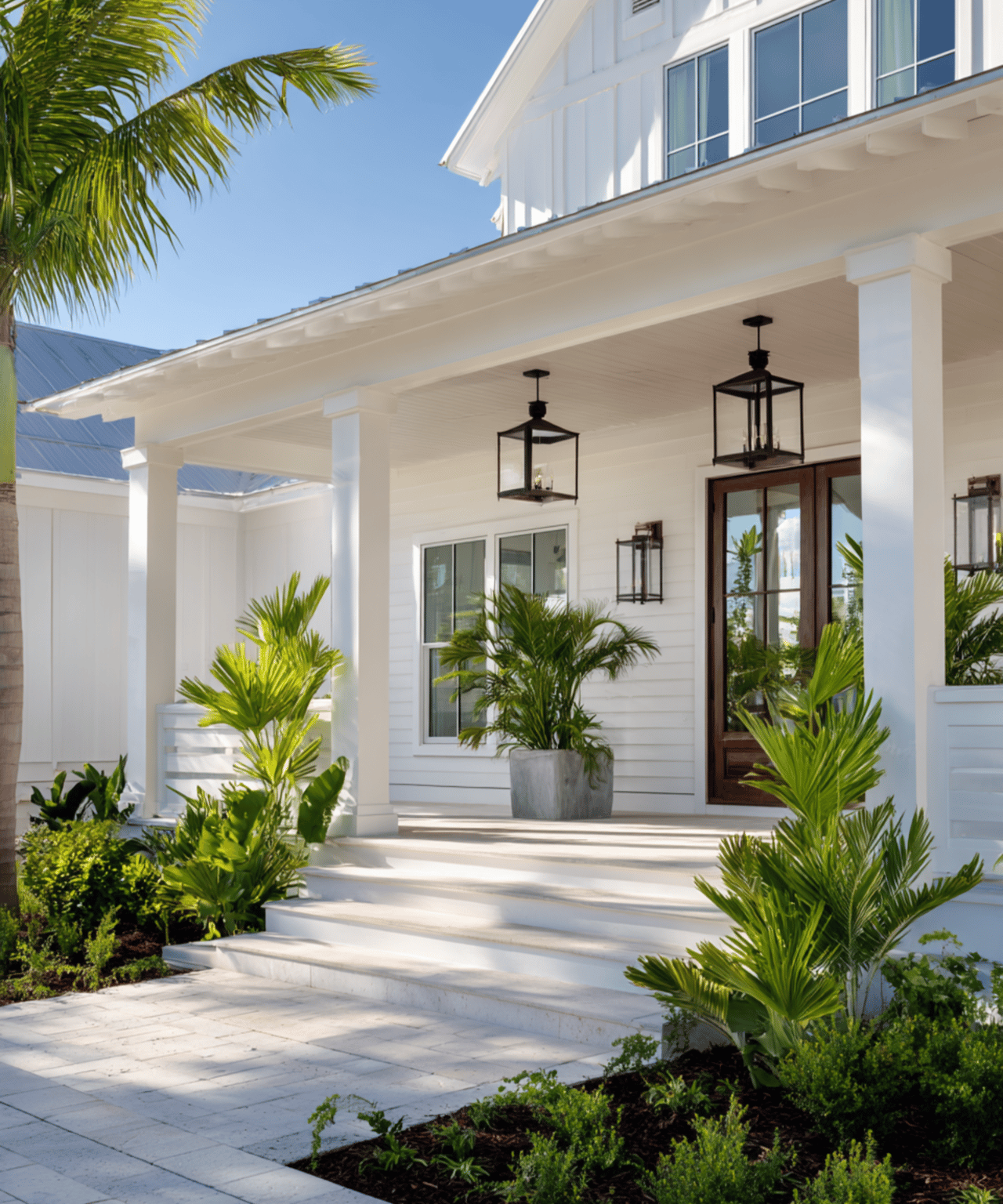
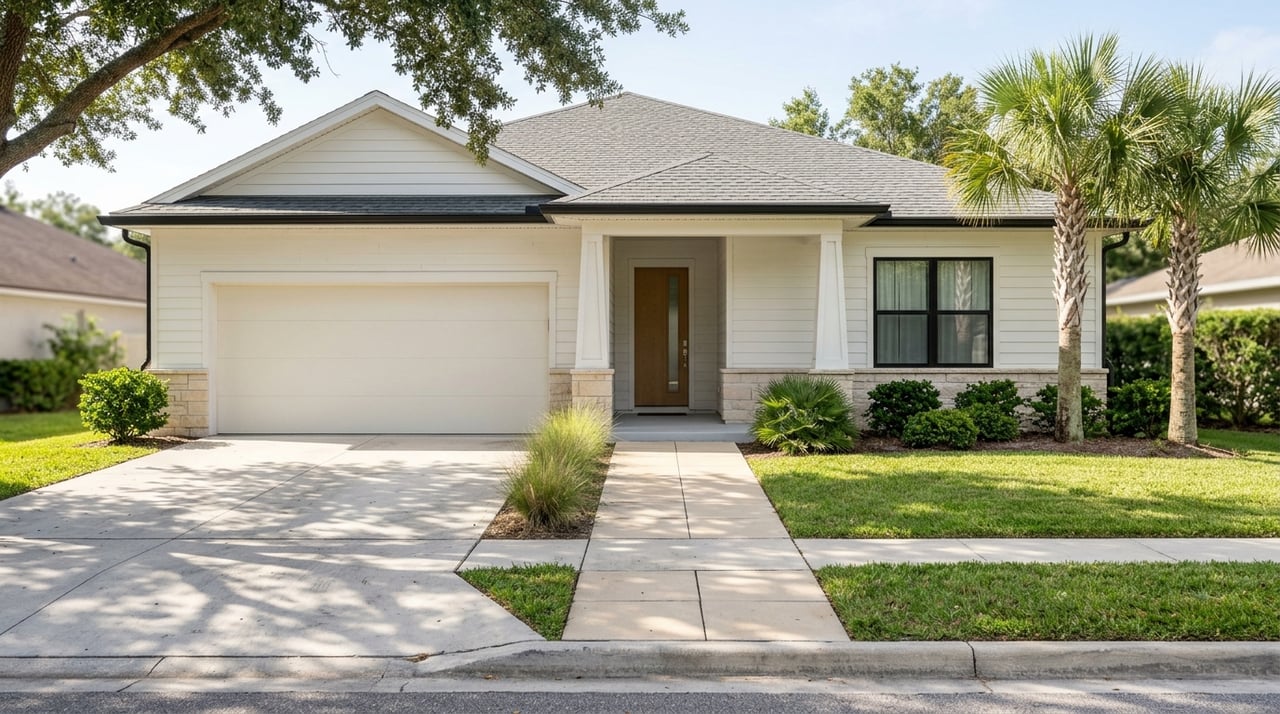
If you’re trying to choose between a condo and a single-family home in Pensacola, you’re not just comparing floor plans. You’re deciding how you want to live day to day, how much upkeep you want to handle, and what kind of monthly costs make sense for your goals. In a market with waterfront condos, beach access, historic homes, and more traditional detached houses, the right fit depends on your lifestyle as much as your budget. Let’s dive in.
Pensacola Living Looks Different by Property Type
Pensacola gives you a mix of coastal and in-town living that makes this decision especially important. The City of Pensacola describes downtown as the heart and soul of the city, with modern condominiums and historic houses near the waterfront. Pensacola Beach adds another layer, with condo living tied closely to barrier-island access and a beach-centered routine.
That means your choice is often about more than square footage. In Pensacola, a condo may put you closer to shared amenities, water views, or a more walkable setting, while a single-family home may give you more control over your home and outdoor space.
Pensacola Prices: Condo vs Single-Family
Closed-sale data shows a noticeable difference between condos and single-family homes in Pensacola. Redfin reports a citywide median sale price of $344,794, with single-family homes at $348,823 and condo or co-op sales at $174,684.
At the same time, active listings tell a more nuanced story. Current condo inventory in Pensacola shows 255 condos for sale at a median asking price of $491K, while Pensacola Beach condos have a median asking price of $699K. That gap suggests your price point can vary a lot depending on location, building, amenities, and whether you are looking in the city or on the beach.
What the Numbers Mean for You
A lower closed-sale median for condos does not automatically mean every condo will cost less than every house. In Pensacola, some condo options may be more affordable, while others, especially in sought-after waterfront or beach locations, can carry a much higher asking price.
This is why it helps to compare specific properties instead of relying on averages alone. A downtown condo, a beach condo, and a detached house in another part of Pensacola can have very different monthly ownership costs.
Maintenance: Who Handles What?
For many buyers, maintenance is the biggest difference between condo and single-family living. Under Florida condo law, the association is generally responsible for maintaining, repairing, and replacing common elements, except for limited common elements assigned differently in the declaration.
That structure can make condo ownership feel simpler on a day-to-day basis. You still own your unit, but shared exterior areas and common spaces are typically handled through the association.
With a single-family home, you usually carry the upkeep responsibility for the whole property. That includes the roof, exterior, yard, and other ongoing maintenance items that come with owning the entire structure and lot.
When Lower-Maintenance Living Matters
If you want less hands-on exterior upkeep, a condo may be a strong fit. This can be especially appealing if you travel often, are relocating on a tight timeline, or simply want a home that demands less weekend maintenance.
If you prefer complete control over repairs, exterior updates, and outdoor use, a single-family home often makes more sense. You may have more responsibility, but you also have more autonomy.
Space, Privacy, and Outdoor Access
One of the clearest tradeoffs is how you use space. Condo listings in Pensacola often highlight community pools, water views, courtyard settings, hot tubs, and outdoor pools rather than large private yards.
That setup can work well if you value access over ownership. Downtown Pensacola offers public parks and bayfront paths, and Pensacola Beach offers beach access and the Gulf Islands National Seashore, which may matter more to you than having a large yard of your own.
A single-family home usually gives you more direct control over the lot and more private exterior space. If you want room to garden, store equipment, or simply spread out outdoors on your own property, detached living often checks that box better.
Amenities and Convenience in Pensacola
Condos often shine when convenience is your top priority. In Pensacola, that may mean living near downtown destinations, being closer to the waterfront, or choosing a beach-area building with access-focused features.
Popular condo areas identified by Redfin include Cordova Park, Downtown Pensacola, Pensacola Beach, Inverness, and East Hill. Each offers a different feel, but the common thread is that condo living is often tied to location and shared amenities.
Parking and Car-Light Living
Transportation access can also shape your decision. Downtown Pensacola has street and garage parking, a free trolley, and a ferry terminal. Pensacola Beach also offers free trolley service and designated parking at beach access points.
That makes some condo locations more compatible with a car-light lifestyle than many detached-home settings. If you want easier access to getting around without depending on a long daily drive, that may tip the scale toward a condo in the right area.
Monthly Cost: Look Beyond the Mortgage
A smart condo-versus-house decision comes down to total monthly cost, not just the sale price. Condo or co-op dues are usually paid directly to the HOA and are not included in the mortgage payment, and those dues can range from a few hundred dollars to more than $1,000 per month.
Those fees may cover items like water, sewer, trash, recreational amenities, insurance, and reserve funding. That means a condo with a lower purchase price may still have a higher monthly carrying cost than you expect.
Single-family homes can also have HOA dues in some neighborhoods, so it is important not to assume that only condos come with association costs. The real comparison should always be property specific.
Compare These Monthly Cost Categories
Before you decide, compare:
- Mortgage payment
- Property taxes
- Insurance
- HOA or condo dues
- Flood insurance, if needed
- Expected maintenance and repair costs
Looking at the full picture helps you avoid surprises and choose the option that supports your long-term comfort.
Insurance Differences Matter in Coastal Florida
Insurance is another area where condos and single-family homes work differently. The NAIC explains that condo unit owner coverage is designed for the unit owner’s personal property and interior portions such as walls, floors, and ceilings, while a homeowners policy for a single-family home covers the dwelling and its contents.
In general, condo insurance costs are typically less expensive than single-family home policies. Still, that does not mean your overall risk picture is simple, especially in a coastal market like Pensacola.
Homeowners policies do not cover flood damage. If a property is in a flood plain, lenders usually require flood insurance, which makes this an important part of your budgeting process whether you are considering a condo or a detached home.
Florida Condo Rules Can Affect Your Budget
If you are leaning toward a condo, it is worth paying close attention to building-level financial and structural questions. Florida requires milestone inspections for many condo and co-op buildings that are three habitable stories or more, generally at 30 years and then every 10 years after that, with a 25-year trigger allowed in some salt-water or local-circumstance cases.
Florida also requires structural integrity reserve studies for certain condo buildings. The statute allows reserve plans to be funded through regular assessments, special assessments, lines of credit, or loans.
For you, that means condo affordability is not just about the list price and current dues. It is also about the building’s condition, reserve funding, and whether future costs may affect your ownership experience.
Questions to Ask About a Condo Building
Before you move forward with a condo, ask:
- What is included in the HOA fee?
- Are there any pending special assessments?
- Have required inspections been completed?
- Are there reserve concerns or structural funding needs?
- What parking or storage comes with the unit?
- Is flood coverage relevant for this property?
These questions can help you compare one condo to another with much more confidence.
When a Condo Makes Sense in Pensacola
A condo is often a strong fit when you want lower-maintenance living, shared amenities, and a location tied closely to downtown or the beach. If your ideal routine includes less exterior upkeep and easier access to waterfront areas, a condo may align well with your goals.
This option can also appeal to buyers who care more about convenience, views, and amenities than about having a larger private yard. In the right building and location, condo living can offer a very streamlined lifestyle.
When a Single-Family Home Makes Sense
A single-family home is often the better fit when you want more privacy, more control over the property, and fewer building-wide variables to evaluate. If outdoor space matters to you, detached living usually gives you more freedom to use and manage the lot as you choose.
This can also be the right path if you prefer handling your home decisions directly rather than working within an association structure. You will likely take on more maintenance, but you may gain flexibility that feels worth it.
The Best Choice Depends on Your Priorities
In Pensacola, this decision often comes down to a simple tradeoff. Condo living can offer convenience, shared amenities, and strong location appeal, while single-family living often offers more space, privacy, and control.
The key is to match the property type to the way you actually want to live. If you want help comparing specific Pensacola condos and single-family homes, the team at LJB Signature Homes is here to give you clear, personal guidance so you can move forward with confidence.
FAQs
What is the main difference between condo and single-family living in Pensacola?
- In Pensacola, the main difference is usually the tradeoff between lower-maintenance, amenity-centered living in a condo and more space, privacy, and control in a single-family home.
Are condos in Pensacola always cheaper than single-family homes?
- No. Closed-sale data shows a lower median sale price for condos overall, but active condo listings, especially in downtown and Pensacola Beach, can be significantly more expensive depending on location and amenities.
What should you ask before buying a condo in Pensacola?
- You should ask what the HOA fee covers, whether there are special assessments or reserve concerns, what inspections have been completed, what parking or storage is included, and whether flood coverage is relevant.
Does a single-family home in Pensacola mean no HOA fees?
- Not always. Some single-family homes are also in neighborhoods with HOA dues, so you should compare monthly costs on a property-by-property basis.
Why does flood insurance matter for Pensacola buyers?
- Flood insurance matters because standard homeowners policies do not cover flood damage, and lenders usually require flood insurance when a property is in a flood plain.