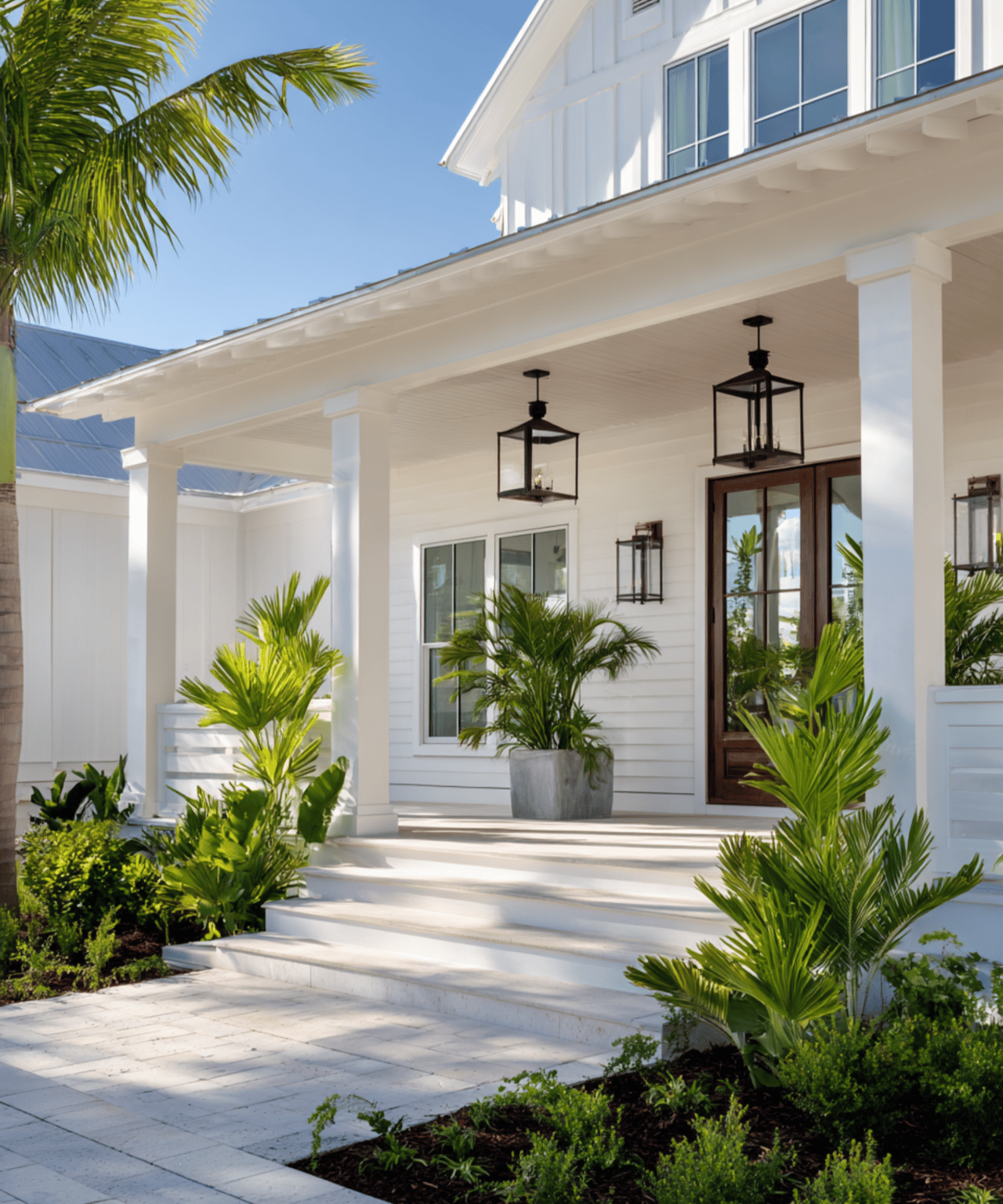
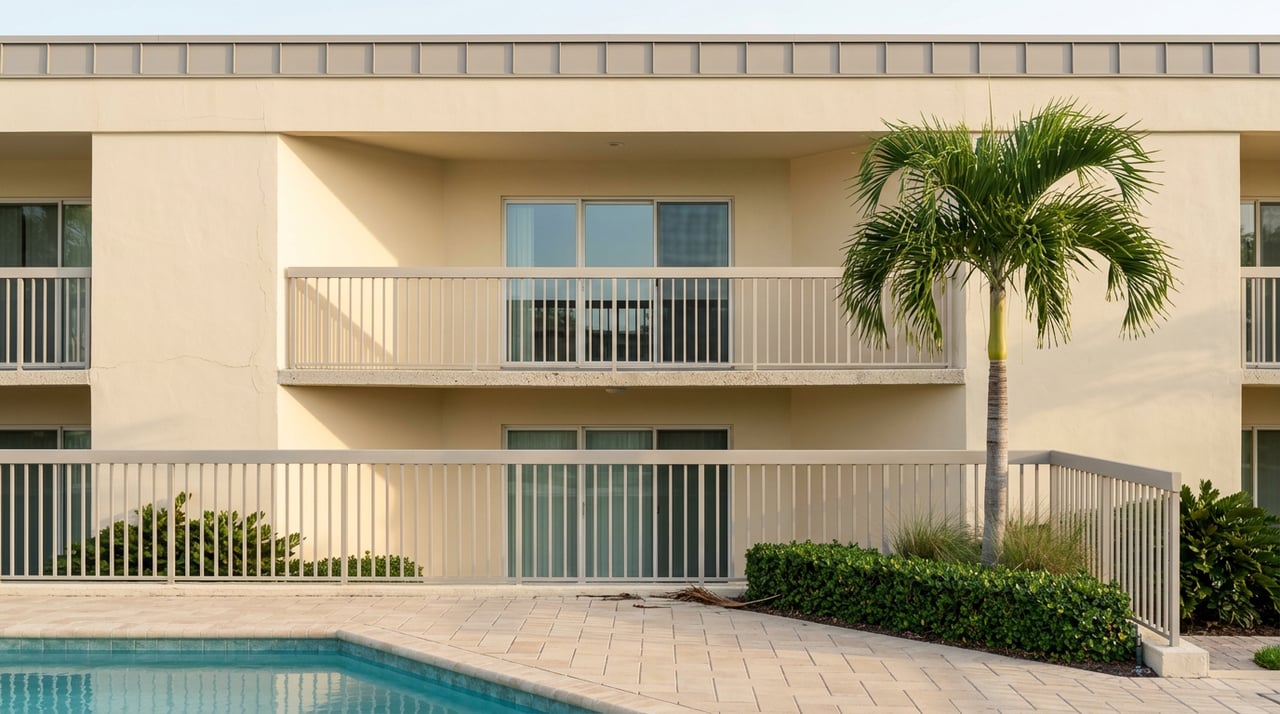
Two units. Same building type, same general stretch of the Emerald Coast, same view of the Gulf from the balcony. One has an HOA fee that looks almost generous by Destin standards. The other runs two or three hundred dollars higher every month. For most of the last decade, a buyer would have looked at that gap and assumed the cheaper one was the better find.
That assumption stopped being reliable in 2026.
Florida spent the last four years changing rules that had allowed condo boards to vote to skip reserve funding. According to GoverningDocs, as of January 1, 2026, that vote is no longer available for the eight structural components that matter most: roof, load-bearing walls, fire protection, plumbing, electrical, waterproofing, windows and exterior doors, and any other item the law treats as a major structural cost. A low fee this year doesn't by itself tell you whether a building has caught up on reserve funding or still faces deferred maintenance costs. The dues line used to tell you the price of ownership. Now it tells you where a building sits in that transition, and that's a different question entirely.
The Loophole Florida Just Closed
The mechanism behind the old system was simple. A board could keep monthly fees lower by skipping reserve funding for a roof replacement twenty years out. The cost didn't disappear, it just moved to whoever owned the unit when the roof, the plumbing, or the concrete finally needed the money that was never set aside.
Senate Bill 4-D in 2022, refined by SB 154 in 2023, ended that option for condo and cooperative buildings three stories or taller. Every qualifying association now has to complete a Structural Integrity Reserve Study, and the deadline for that study, after being pushed back once by HB 913, closed on December 31, 2025. Buildings also have to complete a milestone structural inspection once they hit 30 years of age, or 25 years if they sit within three miles of the coast and the local jurisdiction requires the earlier trigger, according to the Florida Department of Business and Professional Regulation. That coastal exception matters more in Destin than it does almost anywhere else in the state, because most of what buyers are shopping sits well inside that three-mile line.
Two Buildings, Two Timelines
The clearest way to see how this plays out is to look at two real associations along the Destin coastline, because the same law produces very different situations depending on when a building was built.
Destin Harbor Place is a six-story, twelve-unit building on the harbor, built in 1999 with its declaration of condominium recorded in Okaloosa County the same year. If the local building official applies the earlier 25-year coastal trigger, this building is old enough now that the paperwork should exist, and it does. Its Structural Integrity Reserve Study shows as complete and on file with the Florida Department of Business and Professional Regulation's SIRS reporting database. For a buyer, that's the version of this story that ends well. The study exists, the reserve is presumably funded to its schedule, and the dues a buyer sees today reflect that.
Old Bay Condominium, also in Destin and managed by Newman-Dailey Resort Properties as agent of record, tells a different part of the timeline. It registered as a condominium in Okaloosa County in 2005, which puts it at 21 years old in 2026. It isn't yet required to have completed a milestone inspection under the standard 25 or 30-year triggers, but Florida Statute 718.112 still requires an association like this to run reserve studies on a recurring 10-year cycle regardless of building age. A buyer looking at Old Bay isn't checking for a milestone report yet. They're checking whether the reserve study exists at all and whether the fee they're being quoted assumes it will stay flat for another decade.
Two buildings, same city, same general price range, and completely different documents a buyer needs to request before writing an offer.
The Paper Trail You Can Now Actually Get
Reviewing an association's records can help buyers understand its reserve funding. HB 1021 changed access to those records. Associations with 25 or more units are now required to post their governing documents, budgets, and reserve studies to a dedicated website or app, and owners and prospective buyers have a legal right to view a completed SIRS or milestone report within 30 days of its completion.
That doesn't replace Florida's existing resale disclosure statute. Under Fla. Stat. 718.503, a seller in a resale transaction still has to provide the declaration, the current budget and financial statement, the SIRS or a statement that none exists, and the milestone inspection summary if one applies. What HB 1021 adds is a place to actually find those documents before the resale packet shows up, which means a serious buyer can start asking the reserve-percent-funded question during the showing instead of during the option period.
Where This Catches Buyers at the Financing Stage
The other place this surfaces, often later than buyers expect, is underwriting. Fannie Mae retired its Limited Review option for condo loans, which means every conventional condo purchase now goes through Full Review. Lenders pull the HOA budget, the financial statements, the reserve study, delinquency data, and the master insurance documents before they'll approve the loan. A building with thin reserves or an inadequate master policy can land on Fannie Mae's unavailable list, which blocks conventional financing outright regardless of how strong the buyer's own credit looks.
This is a slower, more document-heavy process than a lot of buyers remember from a previous purchase, and it's part of why the statewide numbers looked the way they did as of this spring: Florida condo inventory was running roughly 38 percent higher year over year with about 13.2 months of supply, pending condo sales were down about 21 percent statewide, and condo values in several major Florida markets had fallen somewhere between 4.7 and 9.9 percent as of May 2026. None of that is Destin-specific, and Okaloosa County's smaller condo stock doesn't move in lockstep with South Florida high-rises. But the underlying cause, buildings and buyers both working through a slower, document-heavy underwriting process, is the same everywhere in the state.
Why the Market Still Makes Sense
None of this changes why people want to own on the Emerald Coast in the first place. In a Get The Coast report, longtime real estate professional Keith Wood described the region's pull simply: "We live in a place that people pay handsomely to visit." That hasn't stopped being true. What's changed is how much homework a buyer needs to do before the dues number on a listing means what they think it means.
What to Actually Ask Before You Write an Offer
A buyer working through a Destin condo shortlist in 2026 has more to check than a listing sheet used to require. Before an offer goes in, it's worth getting straight answers on a short list of specifics.
Has the milestone inspection been completed, if the building's age requires one? If it hasn't and it should have been, that's a building with unresolved structural risk and no visibility into what repairs might cost.
What does the SIRS say about percent funded, not just whether it exists? A completed study with a reserve fund sitting well below its own recommendation is a warning sign the fee will move.
What do the last 12 months of board minutes say? Assessments often get discussed for months before they're formally levied.
Who pays if a special assessment lands mid-contract? Contract language usually controls.
What does the master insurance policy actually cover? Whether it's bare walls, walls-in, or all-in changes what a buyer needs in their own HO-6 policy, and whether the building's insurance is adequate enough to keep it off Fannie Mae's unavailable list.
What's the resale certificate cost and turnaround? Florida caps the preparation fee at $299 under Fla. Stat. 718.116 and requires delivery within 10 days of request, so there's no reason to accept a longer wait or a higher bill.
None of these questions existed in this form five years ago. They exist now because the law finally requires the paperwork that makes them answerable.
A Few Common Questions
Does a lower HOA fee always mean a worse deal now? Not always, but it's no longer a reliable shortcut for a good one. A low fee in a building that just completed a fully funded SIRS is a fine sign. A low fee in a building with no reserve study on file is a different situation entirely, and the only way to tell them apart is to ask.
Does every Destin condo need a milestone inspection? No. The requirement applies to condominium and cooperative buildings three or more habitable stories tall, once they reach 25 years of age near the coast or 30 years inland. Smaller buildings and single-family homes aren't affected.
Can I request the reserve study before I make an offer? Yes, and under HB 1021 many associations are now required to make it accessible online rather than something you only see after the resale packet arrives.
Who pays an assessment that gets levied while my contract is pending? The purchase contract's language controls.
The Destin condo market hasn't gotten harder to buy into. It's gotten harder to buy into blind, which is a different problem and one a good set of questions solves. If you're weighing a purchase along the Destin coastline and want help reading a building's reserve study before you write an offer, LJB Signature Homes can walk through the documents with you and help you compare buildings on more than just the view.
This article is general information, not legal, tax or financial advice. Consult a qualified professional about your situation.