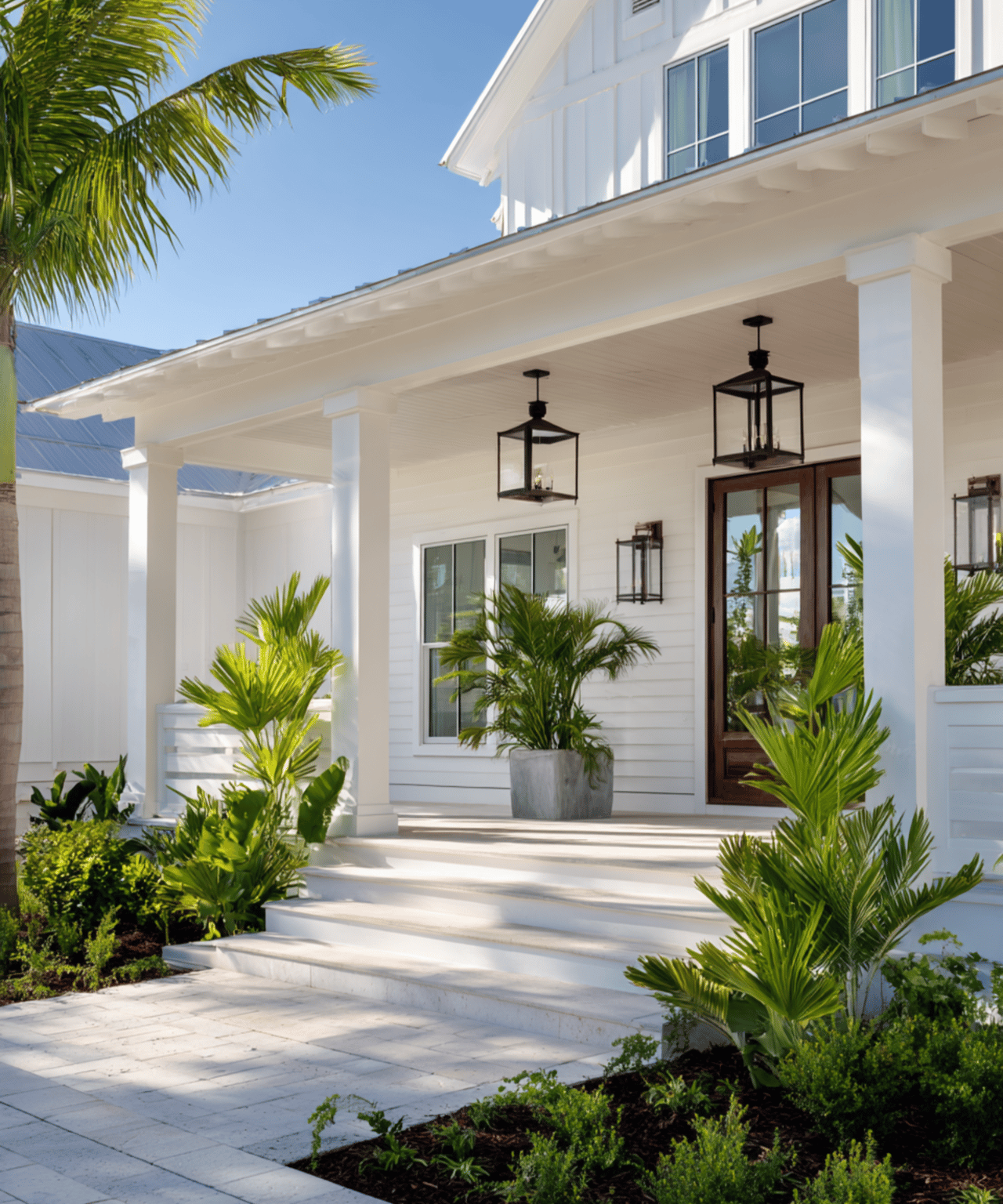
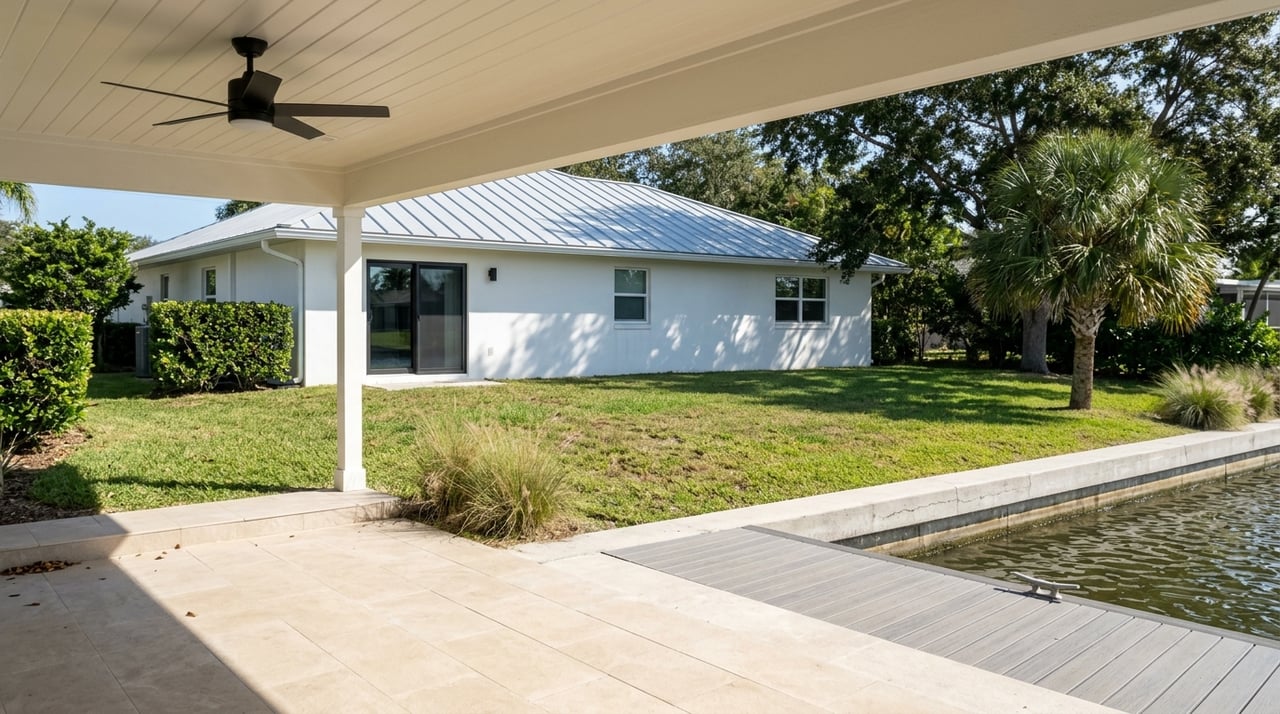
If you picture one simple version of waterfront living in Pensacola, you may be setting yourself up for a surprise. Here, “waterfront” can mean a condo near downtown marinas, a bayou-front home with calm views, or a beach-area property built around amenities and access. If you are thinking about buying near the water, understanding those differences can help you choose a home that truly fits your lifestyle. Let’s dive in.
Pensacola waterfront is not one thing
Waterfront living in Pensacola is best understood as several distinct settings, not one single market. The main categories include downtown Pensacola near Community Maritime Park and the Pensacola Bay Pier, the bayou corridors around Bayou Texar, Bayou Chico, and Bayou Grande, and the coastal corridors of Pensacola Beach and Perdido Key.
That matters because each area offers a different daily experience. Some locations feel more walkable and activity-driven, while others feel more residential and tied to boating, shoreline views, or public water access. Before you fall in love with a listing photo, it helps to ask what kind of waterfront routine you actually want.
Downtown waterfront living in Pensacola
Downtown Pensacola offers a waterfront experience centered on public access, events, marinas, and convenience. Community Maritime Park brings together waterfront green space and more than 38,000 square feet of event space, while the Pensacola Bay Pier includes floating docks and 48 boat slips for transient daytime use.
This part of the city often appeals to buyers who want to be close to restaurants, festivals, and marina activity. You may find the tradeoff is less private outdoor space and more shared or public waterfront access. In other words, the value here is often about being near the water and near the action.
What boat access looks like downtown
One of the biggest misconceptions about waterfront living is assuming every property comes with private boating access. In downtown Pensacola, that is not always the case. The city’s public pier is day-use only for transient docking, while traditional marina services are available through places like Palafox Pier and Yacht Harbour Marina.
That means your access to the water may depend on the specific property, nearby marina options, and how you plan to use a boat. If boating is a major part of your lifestyle, it is worth confirming the details early.
Bayou living offers a different pace
The bayou corridors around Bayou Texar, Bayou Chico, and Bayou Grande create a different kind of waterfront experience. These areas are scenic, but they are also part of larger stormwater and water-quality systems that shape how the area functions over time.
The City of Pensacola notes that most storm drains empty into Bayou Texar, Bayou Chico, Pensacola Bay, or Escambia Bay. That means drainage and water quality are not background issues. They are part of everyday waterfront ownership in these areas.
Bayou life includes public infrastructure
If you buy near a bayou, you may also be buying in an area shaped by public improvement work. Bayou Texar has an early planning stormwater improvement project, and Bayou Chico has been the subject of long-running work tied to stormwater retrofit, sewer expansion, and sediment remediation.
This does not make bayou living less appealing. It simply means waterfront ownership in Pensacola often exists alongside ongoing environmental management and infrastructure planning. For many buyers, that is an important part of the full picture.
Bayou Grande and Navy Point access
Bayou Grande shows another side of the waterfront lifestyle. Navy Point Park includes a public boat ramp, kayak launch, walking paths, and shoreline work designed to help protect the park over time.
That kind of setup can be attractive if you want regular outdoor access without needing a private dock. It also shows why “waterfront” in Pensacola often means a mix of private housing choices and strong public amenities.
Beach and Perdido Key living feels different
Pensacola Beach and Perdido Key offer the version of waterfront living many buyers picture first. These areas are more closely associated with condo and resort-style living, where the focus often shifts from yard space to amenities, water access, and easy coastal recreation.
Visit Pensacola highlights beachfront hotels, vacation rentals, and full-service condominiums in these coastal areas. In practical terms, buyers here often see properties with features like pools, spas, full kitchens, on-site dining, and direct access to water activities.
The lifestyle tradeoff on the coast
For many buyers, the biggest tradeoff in the beach corridor is simple. You may gain convenience, amenities, and proximity to the Gulf, but you may give up a larger yard or a private dock.
That is why it helps to think beyond the word “waterfront.” In Pensacola, waterfront living often means access and ease rather than a large private lot. If you want a lock-and-leave lifestyle, that can be a real advantage.
What housing patterns to expect
Across Pensacola’s waterfront areas, buyers usually run into three broad housing patterns. The first is downtown marina-adjacent condos or smaller in-town homes. The second is bayou-front single-family homes with water views or potential dock access. The third is condo or resort-style living on Pensacola Beach and Perdido Key.
These patterns matter because they shape both your budget and your day-to-day use of the property. A downtown buyer may prioritize walkability and events. A bayou buyer may care more about views and lot layout. A beach-area buyer may focus on building amenities and ease of maintenance.
Waterfront life follows the weather
Pensacola’s waterfront rhythm is shaped by a warm, wet climate. NOAA climate normals for Pensacola Regional Airport show a January daily mean of 53.2 degrees and a July daily mean of 83.5 degrees, with summer daily highs around 90 to 92 degrees. Annual precipitation averages 68.31 inches, and June through August each average roughly 7.3 to 7.9 inches of rain.
That means waterfront living here is not just about sunny views. It is a year-round planning exercise that includes rain, humidity, and seasonal storm awareness.
Hurricane season matters
The National Hurricane Center defines Atlantic hurricane season as June 1 through November 30. If you live near the water, that seasonal window becomes part of how you think about maintenance, preparation, and insurance.
This is especially important for relocating buyers who are new to the Gulf Coast. Waterfront ownership can be incredibly rewarding, but it asks for a little more planning than inland living.
Summer access can get busy
Pensacola’s waterfront can feel lively in peak season. Visit Pensacola notes that downtown parking and Pensacola Beach parking can fill quickly during summer months, holidays, and special events. Community Maritime Park also hosts recurring summer concerts, movies, and other large events.
If you love energy and activity, that may be a big plus. If you are hoping for quiet and privacy all year, it is smart to understand how a location feels during the busiest times, not just on a calm weekday showing.
Boating culture is real, but practical
Boating is part of daily life across Escambia County, which has dozens of local bays, bayous, creeks, and rivers. At the same time, the county’s boating information stresses weather, water conditions, equipment, and communication, and it notes that all boat ramps are use at your own risk.
That is a good reminder that a beautiful view is only one piece of the story. If you plan to boat often, access points, launch conditions, storage, and marina options can matter just as much as the home itself.
Maintenance is part of the waterfront package
Owning near the water usually means higher maintenance awareness. FEMA notes that salt spray from breaking waves and onshore winds can accelerate corrosion of metal fasteners and connectors in coastal areas.
In practical terms, that means exposed hardware and water-facing components may need more frequent attention than you would expect in an inland home. Waterfront living can feel effortless on the surface, but the ownership side works best when you plan for routine upkeep.
Flood insurance deserves a close look
One of the most important parts of buying waterfront property is understanding flood risk. Standard homeowners insurance generally does not cover flood damage, and FEMA and FloodSmart note that flood insurance covers building and contents separately.
Flood insurance is mandatory for federally backed mortgages in Special Flood Hazard Areas, and Escambia County participates in the National Flood Insurance Program. Buyers should also know that FEMA’s flood maps are the official source for flood-hazard information.
Why flood maps matter even now
A property can look high and dry and still require closer review. Flood maps can affect lending, insurance, and long-term ownership costs. They can also influence what happens if the property is damaged and later repaired.
After a flood, Escambia County may require an elevation certificate, and substantially damaged structures may need to comply with floodplain rules that can include elevating the building. That is why flood review should happen early, not as a last-minute checkbox.
Permits can shape your plans
If you hope to improve your waterfront access, permitting matters. Escambia County’s building guide lists docks, dune crossovers, and seawalls among regulated project types. Florida DEP also issues permits for coastal construction, residential and commercial docks, marinas, wetlands, boat ramps, and shoreline stabilization.
So if your dream includes adding a dock or changing the shoreline setup, it is wise to treat that as a research item from the start. Not every waterfront property offers the same options, even if the view looks perfect.
What waterfront living really looks like
In Pensacola, waterfront living is beautiful, but it is also specific. It may mean condo amenities instead of a backyard, public boat access instead of a private dock, busy summer weekends instead of total quiet, and more attention to maintenance, flood review, and permits than you would need inland.
The good news is that there is no one right version of waterfront life here. If you match the property type and location to the way you actually want to live, Pensacola offers a wide range of ways to enjoy the water with clarity and confidence.
If you are weighing waterfront options in Pensacola or anywhere along the Panhandle, the team at LJB Signature Homes is here to offer guided, personal support so you can make a move that fits your goals and lifestyle.
FAQs
What does waterfront living in Pensacola include?
- Waterfront living in Pensacola can include downtown marina-adjacent areas, bayou-front neighborhoods, and coastal properties in Pensacola Beach and Perdido Key.
Is every Pensacola waterfront home on the beach?
- No. Waterfront options also include inland bayous, bayfront locations, and downtown properties near public waterfront amenities.
Does a Pensacola waterfront property always include a private dock?
- No. Boat access is property-specific, and some areas rely more on public docking, marinas, or nearby boat ramps.
What should buyers know about flood insurance in Escambia County?
- Standard homeowners insurance generally does not cover flood damage, and flood insurance requirements can depend on the property’s flood-hazard designation and mortgage type.
Why do permits matter for Pensacola waterfront homes?
- Permits can affect projects like docks, seawalls, dune crossovers, shoreline work, and other changes tied to water access or coastal construction.
Is downtown Pensacola waterfront living quiet year-round?
- Not always. Downtown waterfront areas can become busier during summer, holidays, and major events, especially near Community Maritime Park and popular parking areas.